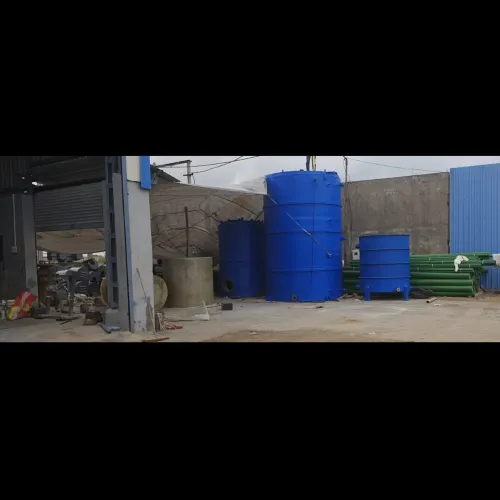
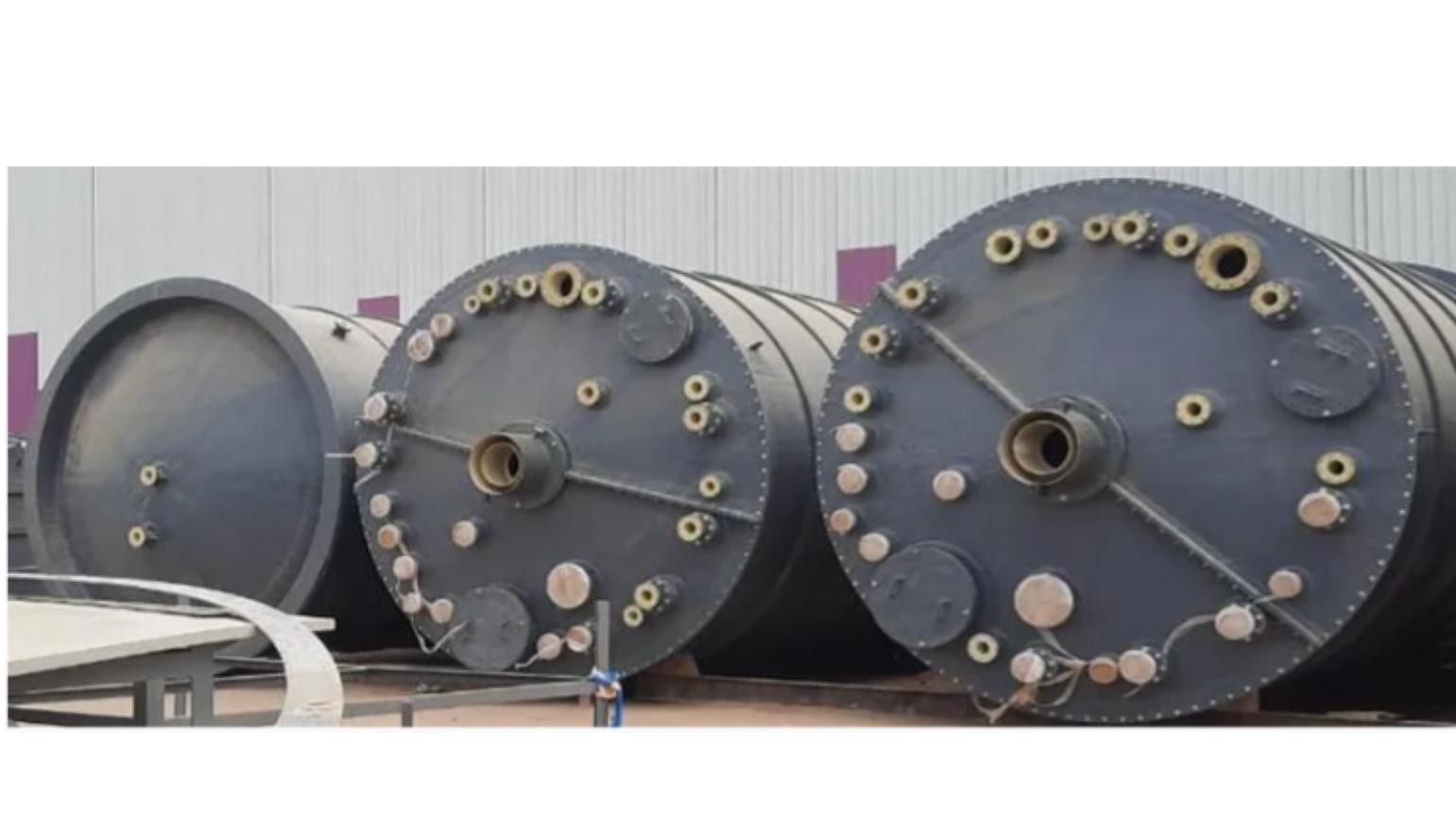
Advanced FRP Agitated Vessel Solutions for Industrial Mixing Applications
Industries involved in chemical processing, pharmaceuticals, water treatment, and specialty manufacturing require reliable equipment for mixing, blending, and processing liquids. An FRP Agitated Vessel is an industrial process vessel designed to combine suitable materials through controlled agitation while offering corrosion resistance for compatible chemicals and process conditions.
Chem Resist Fiberglass Industries, located in Vadodara, Gujarat, is a company to contact for industrial fiberglass equipment requirements. Businesses searching for an FRP Agitated Vessel Manufacturer in Vadodara, Gujarat, can explore fiberglass-reinforced plastic vessels for applications where chemical compatibility, process efficiency, and appropriate equipment design are essential.
FRP agitated vessels combine the benefits of fiberglass-reinforced construction with a mechanical mixing arrangement. When designed according to the process requirements, these vessels can support consistent mixing and efficient handling of compatible industrial liquids.
What Is an FRP Agitated Vessel?
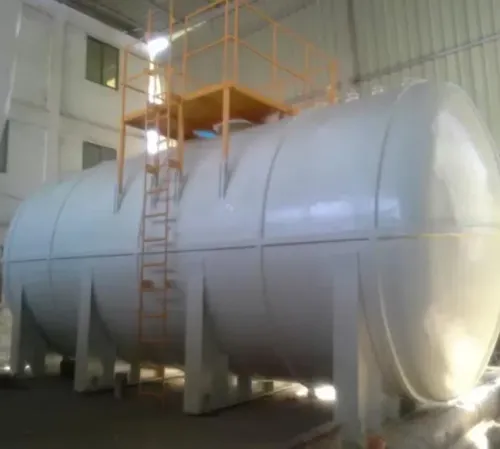
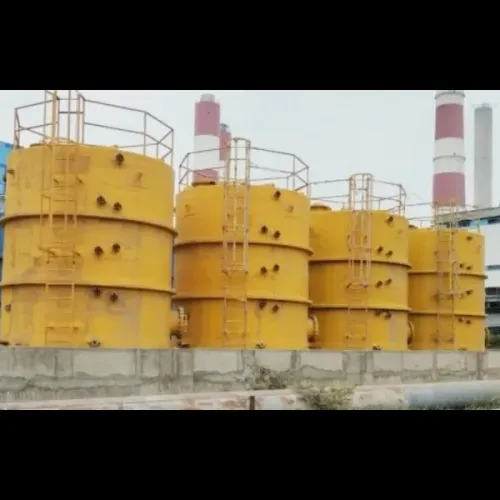
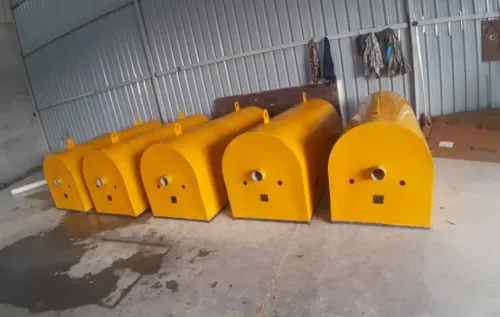
An FRP agitated vessel is a process vessel manufactured using Fiber Reinforced Plastic (FRP), typically consisting of fiberglass reinforcement combined with a suitable resin system. It incorporates an agitation mechanism, such as an impeller or mixing assembly, to blend liquids, disperse compatible materials, or maintain process uniformity.
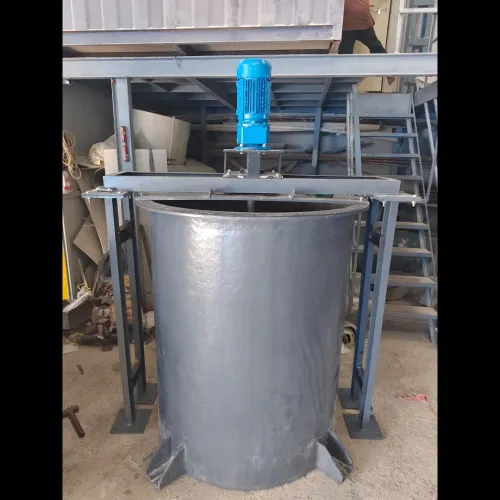
Depending on the industrial application, an FRP agitated vessel may be designed with a motor-driven agitator, shaft, impeller, vessel cover, inlet and outlet connections, and other process-specific accessories.
The vessel's design depends on several factors, including the type of liquid being processed, viscosity, chemical concentration, operating temperature, required mixing speed, and process conditions. Appropriate material selection and mechanical design are essential for dependable operation.
Key Benefits of FRP Agitated Vessels
1. Corrosion Resistance
One of the major advantages of FRP construction is its ability to resist many corrosive substances when the correct resin system and construction are selected. This makes FRP agitated vessels suitable for various industrial processes involving compatible chemicals.
2. Efficient Mixing and Blending
An appropriately designed agitator helps mix liquids, distribute ingredients, and maintain process consistency. Impeller selection, rotational speed, vessel geometry, and liquid properties all influence mixing performance.
3. Lightweight Construction
FRP vessels can offer lower structural weight than some comparable metal vessels, depending on the design and application. This may simplify transportation and installation planning.
4. Flexible Design Options
FRP agitated vessels can be designed to suit different capacities, vessel dimensions, mixing requirements, and plant layouts. Customization possibilities should be confirmed with the manufacturer.
5. Suitable for Various Industrial Processes
With suitable material compatibility and engineering, FRP agitated vessels can support different industrial mixing and processing applications involving liquids and selected chemical solutions.
6. Potentially Reduced Corrosion-Related Maintenance
Where the FRP material is correctly selected and the vessel is operated within its design limits, corrosion-related maintenance requirements may be reduced compared with less suitable construction materials. Routine inspections and agitator maintenance remain important.
Industrial Applications of FRP Agitated Vessels
FRP agitated vessels can be used in a variety of industries where controlled mixing and chemical compatibility are important.
- Chemical Processing Industry: Mixing compatible acids, alkalis, and industrial chemical solutions.
- Pharmaceutical Industry: Processing applications where suitable materials and required hygiene standards are met.
- Water Treatment Plants: Mixing selected treatment chemicals and process solutions.
- Effluent Treatment Plants (ETP): Agitation of compatible treatment liquids used in wastewater processing.
- Textile and Dyeing Industry: Blending suitable dyes, auxiliaries, and process chemicals.
- Specialty Chemical Manufacturing: Mixing ingredients and preparing compatible chemical formulations.
- Electroplating Industry: Handling and mixing selected surface-treatment solutions.
- Industrial Manufacturing Units: Supporting liquid blending and other process operations according to equipment specifications.
The suitability of an FRP agitated vessel must be assessed for the particular chemical, concentration, temperature, viscosity, and operating environment.
Important Components of an FRP Agitated Vessel
A typical FRP agitated vessel may include the following components, depending on its design:
1. FRP Vessel Body: The main container designed to hold the process liquid.
2. Agitator Assembly: The mechanical arrangement responsible for mixing and blending.
3. Impeller: The rotating component that creates liquid movement inside the vessel. Its design depends on the mixing objective and fluid characteristics.
4. Drive Motor and Gearbox: Supplies and controls the rotational power required for agitation, as specified by the application.
5. Shaft and Sealing Arrangement: Transfers rotation to the impeller while addressing the vessel's operating and containment requirements.
6. Inlet and Outlet Connections: Allow process materials to enter and leave the vessel.
7. Support Structure: Provides the required stability and load-bearing support.
Additional accessories, such as inspection openings, baffles, instrumentation, and temperature-monitoring arrangements, may be considered where appropriate.
How to Select the Right FRP Agitated Vessel Manufacturer
Choosing a suitable manufacturer is important for ensuring that the vessel meets the intended process requirements. Before selecting an FRP agitated vessel, industrial buyers should consider the following factors:
- Chemical Compatibility: Identify the chemical composition, concentration, and properties of the material to be processed.
- Vessel Capacity: Determine the required working volume and total vessel capacity.
- Mixing Requirements: Define whether the process requires blending, suspension, dispersion, or another mixing function.
- Agitator Design: Consider the impeller type, rotational speed, motor power, and gearbox requirements.
- Operating Conditions: Specify the temperature, pressure or vacuum conditions, and expected operating duration.
- Material Selection: Confirm the suitability of the resin, fiberglass construction, and any required corrosion barrier.
- Mechanical Design: Evaluate shaft support, sealing, structural loads, and equipment stability.
- Quality and Inspection: Ask about manufacturing procedures, inspection practices, applicable design standards, and documentation.
- Maintenance Requirements: Understand the recommended inspection schedule and maintenance procedures for the vessel and drive assembly.
Providing complete process information to the manufacturer helps in evaluating an appropriate vessel configuration.
Why Consider Chem Resist Fiberglass Industries in Vadodara, Gujarat?
Vadodara is a prominent industrial centre in Gujarat, serving chemical manufacturing, engineering, pharmaceutical, and process industries. These sectors require specialized equipment capable of handling different liquids and operating conditions.
Chem Resist Fiberglass Industries, Vadodara, Gujarat, is a relevant company to contact when exploring FRP equipment requirements, including agitated vessels. Industrial buyers can discuss their project specifications and verify the company's available manufacturing capabilities, customization options, and technical support.
When enquiring about an FRP agitated vessel, customers should provide the required capacity, chemical details, operating temperature, mixing objective, and installation requirements. This information can help determine whether an FRP vessel is suitable for the intended application.
Frequently Asked Questions (FAQs)
1. What is an FRP agitated vessel used for?
An FRP agitated vessel is used for mixing, blending, or processing compatible liquids and chemical solutions in industrial applications. Its suitability depends on the process and equipment design.
2. What are the advantages of FRP agitated vessels?
Potential advantages include corrosion resistance, lightweight construction, design flexibility, and suitability for various industrial mixing applications when properly engineered.
3. Which industries use FRP agitated vessels?
Chemical processing, water treatment, effluent treatment, textile processing, specialty chemical manufacturing, and selected pharmaceutical applications may use FRP agitated vessels.
4. Can an FRP agitated vessel be customized?
FRP agitated vessels can often be designed according to the required capacity, vessel dimensions, chemical compatibility, mixing mechanism, and plant layout. Specific options depend on the manufacturer's capabilities.
5. How do I choose the right agitator for an FRP vessel?
The agitator should be selected based on liquid viscosity, mixing purpose, required circulation, solids content if applicable, rotational speed, and vessel geometry. Technical evaluation is recommended before finalizing the design.
6. Are FRP agitated vessels suitable for corrosive chemicals?
They can be suitable for many corrosive chemicals when the resin system, corrosion barrier, and vessel construction are compatible with the chemical concentration and operating temperature.
7. Where can I enquire about FRP agitated vessels in Vadodara, Gujarat?
Businesses can contact Chem Resist Fiberglass Industries in Vadodara, Gujarat, to discuss their requirements and confirm available FRP agitated vessel manufacturing solutions.
8. What information is required for an FRP agitated vessel quotation?
Buyers should generally provide the required capacity, chemical name and concentration, operating temperature, pressure conditions, liquid viscosity, mixing purpose, and any specific connection or installation requirements.
Keywords